Living and buying property in Seine-Maritime
Seine-Maritime brings together substantial cities, a coastline of chalk cliffs and countryside with a distinctive architectural character. Rouen and Le Havre provide very different urban settings. Dieppe, Fécamp and the smaller places along the Alabaster Coast offer a closer relationship with the sea. Inland, the Pays de Caux, Pays de Bray and loops of the Seine open up further possibilities for a house and garden.
For buyers considering a move to Normandy or a second home, this variety is useful. You can look for an apartment in a historic centre, a coastal base for repeated visits or a rural property with space for personal interests. Understanding the main areas helps connect those property types with the life you would like around them. The department is more varied than a simple choice between city and beach.
Rouen and its neighbourhoods
Rouen’s old streets, cathedral and riverside give it a strong identity, but a property search also needs to consider its residential neighbourhoods and surrounding communes. A central apartment suits buyers who enjoy shops, culture and outings on foot. A house elsewhere in the city can provide more outside space and a different rhythm for family life.
The river, hillsides and neighbouring towns shape the local geography. Mont-Saint-Aignan, Bois-Guillaume and Sotteville-lès-Rouen are among the places that introduce different residential settings. A home office, access to transport or a garden may be more relevant to your choice than the name of the commune. For someone arriving from abroad, it is particularly helpful to spend time in a neighbourhood and see how its streets connect with the services and activities you would actually use.
Following the Seine west of Rouen
The river makes broad loops through a landscape of wooded slopes, villages and open land. The areas around Jumièges, Duclair and Caudebec-en-Caux offer a different way to live in the department. A village house can retain a social connection through nearby shops and neighbours. A property in a more rural setting places greater emphasis on the garden and the surrounding views.
Abbey heritage and riverside paths add interest, but the area’s residential appeal also comes from ordinary pleasures: a familiar walk, a local market and the route into town. Traditional houses offer character through their materials and proportions, while newer homes may provide layouts that suit different needs. A property here can be a permanent residence or a place to spend longer periods enjoying the countryside while remaining connected to the wider region.
Le Havre: a city beside the sea
Le Havre has an individual character shaped by its reconstructed architecture, port activity and direct relationship with the coast. Apartments in the centre, houses in residential streets and homes on higher ground offer different settings. Some buyers give priority to the beach and shops, while others are looking for a garden or additional rooms for guests and work.
The wider urban area extends the choices according to daily needs. A permanent move might be organised around employment, schools or personal interests. Cultural outings and waterfront walks can become part of the same routine. The sea need not be visible from the property to contribute to its appeal: Le Havre provides an urban life in which the coast is a familiar presence rather than a separate holiday destination.
Étretat, Fécamp and the Alabaster Coast
The chalk cliffs give this coastline a recognisable appearance. Étretat is often the first name buyers know, but neighbouring villages and places set back from the shore are worth exploring too. A small house in a village can work well for regular stays. A country home inland offers a different balance, with more emphasis on outside space while keeping coastal outings part of the plan.
Fécamp brings the life of a port town and a range of residential settings. Saint-Valery-en-Caux and Veules-les-Roses offer other scales of settlement, from harbour streets to a smaller village atmosphere. It helps to identify what you want to find when you arrive: a lively centre, a walk to the beach, nearby shops or a garden where you can spend much of the day. Different addresses along the same coast will answer those wishes differently.
Dieppe and the north-eastern coast
Dieppe combines a harbour, seafront and neighbourhoods with year-round life. An apartment near the centre or quays may suit a convenient base, while a house can provide another arrangement for a family or permanent move. The surrounding area adds villages where the countryside sits close to the coast. Markets and maritime activities are part of the town’s identity, alongside the quieter routines of its residential streets.
Towards Eu and Le Tréport, the department offers further choices. Eu provides a historic town setting; Le Tréport has a more immediate relationship with the harbour and shore. A second home might be selected for the pleasure of returning to familiar places, while a permanent residence also needs to fit the network of nearby towns and everyday journeys. Exploring both gives a fuller view of what this corner of Normandy can offer.
The Pays de Caux: a countryside with its own architecture
Away from the coast, the plateau of the Pays de Caux is a landscape of farmland, villages and market towns. Yvetot, Bolbec and smaller communes provide reference points for a rural search. One characteristic form is the clos-masure, a traditional farm arrangement within an enclosure bordered by tree-lined banks. Not every country home takes this form, but it helps explain the setting of some larger properties.
Brick and flint houses, former farms and more recent family homes can all be part of the search. Land and outbuildings may support a workshop, gardening or space for guests. A village house offers a different relationship with the community and often a more contained outside area. The most useful question is how much of the property you would enjoy using, rather than how much you could acquire.
The Pays de Bray: valleys, fields and small towns
The Pays de Bray contrasts with the plateaux through its relief and hedged countryside. Neufchâtel-en-Bray, Forges-les-Eaux and Gournay-en-Bray are starting points for discovering it. Buyers can explore family houses, village properties and rural homes, with walking routes and country roads giving shape to outdoor leisure.
For many, the appeal is countryside with local reference points. A village with shops and associations can make settling in easier, while a more secluded address places greater emphasis on land and outlook. Both can suit a permanent home or a second property intended for longer stays. Time spent in the area will help clarify which balance you prefer.
Bringing the property and the place together
Seine-Maritime allows a broad comparison: a period apartment in Rouen, a home in Le Havre’s architectural setting, a coastal cottage or a country house. There is no need to choose the most typical style if another property supports your plans better. A generous kitchen, a quiet study, a terrace or a well-positioned guest room can make a real difference to the way you enjoy the home.
Explore Sextant’s properties and discuss your budget, preferred areas and intended use with a property consultant. By identifying the surroundings and daily connections that matter to you, the search becomes more focused. The river, coast and countryside then become practical choices for a future home, each offering its own way to feel part of Normandy.
Properties for sale in Seine-Maritime
Showing 8 of 81 available properties
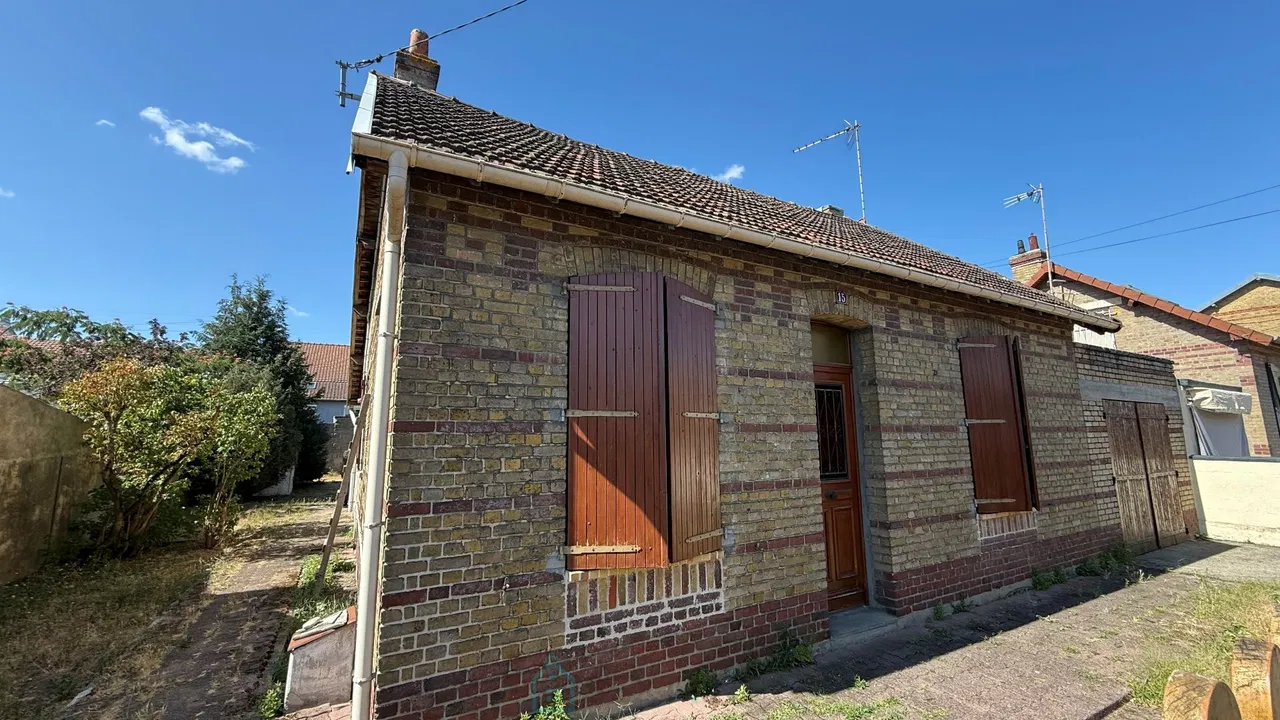
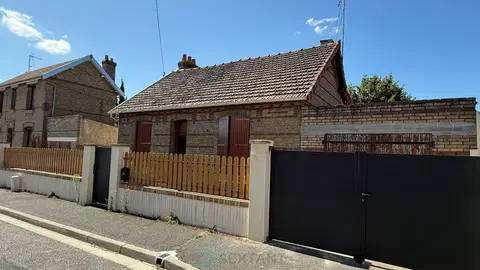
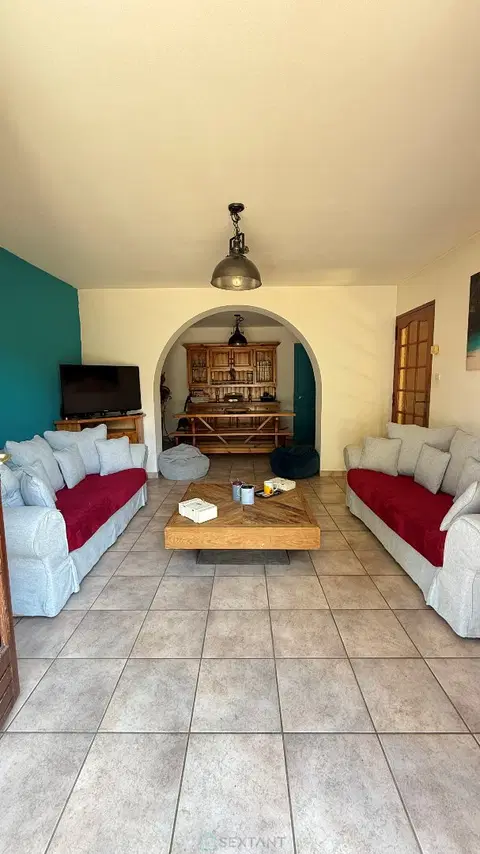
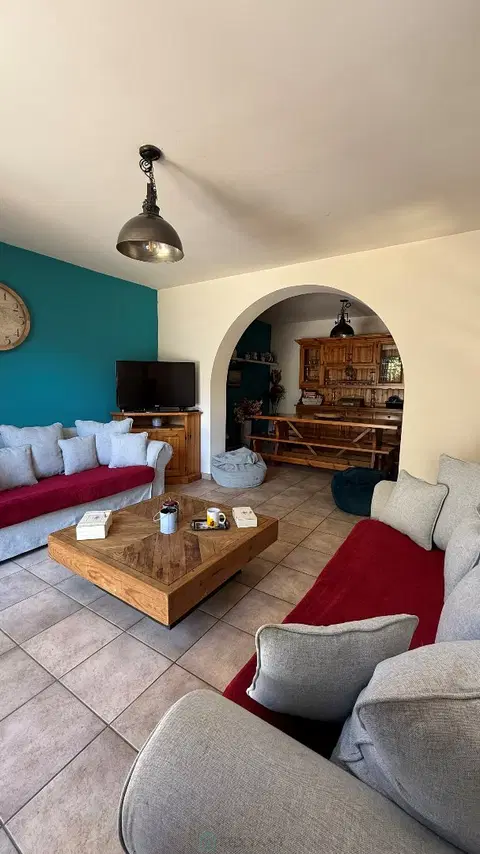
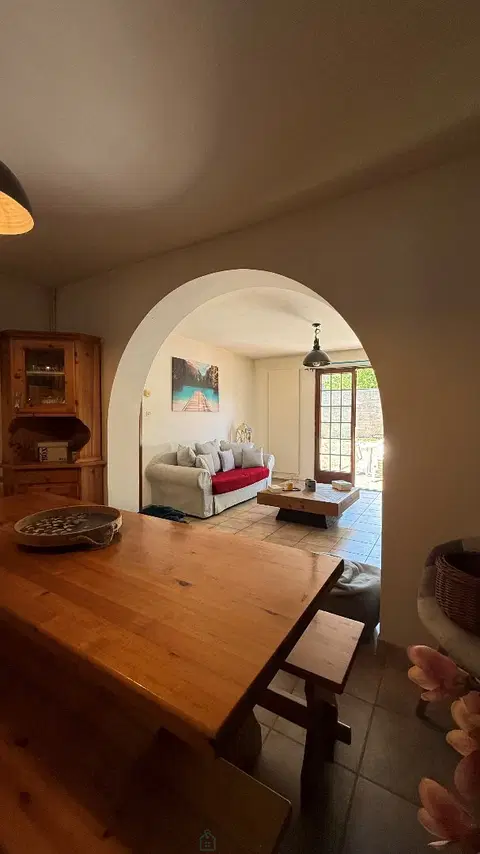
Charming detached stone and brick house, all on one level – Sotteville-les-Rouen
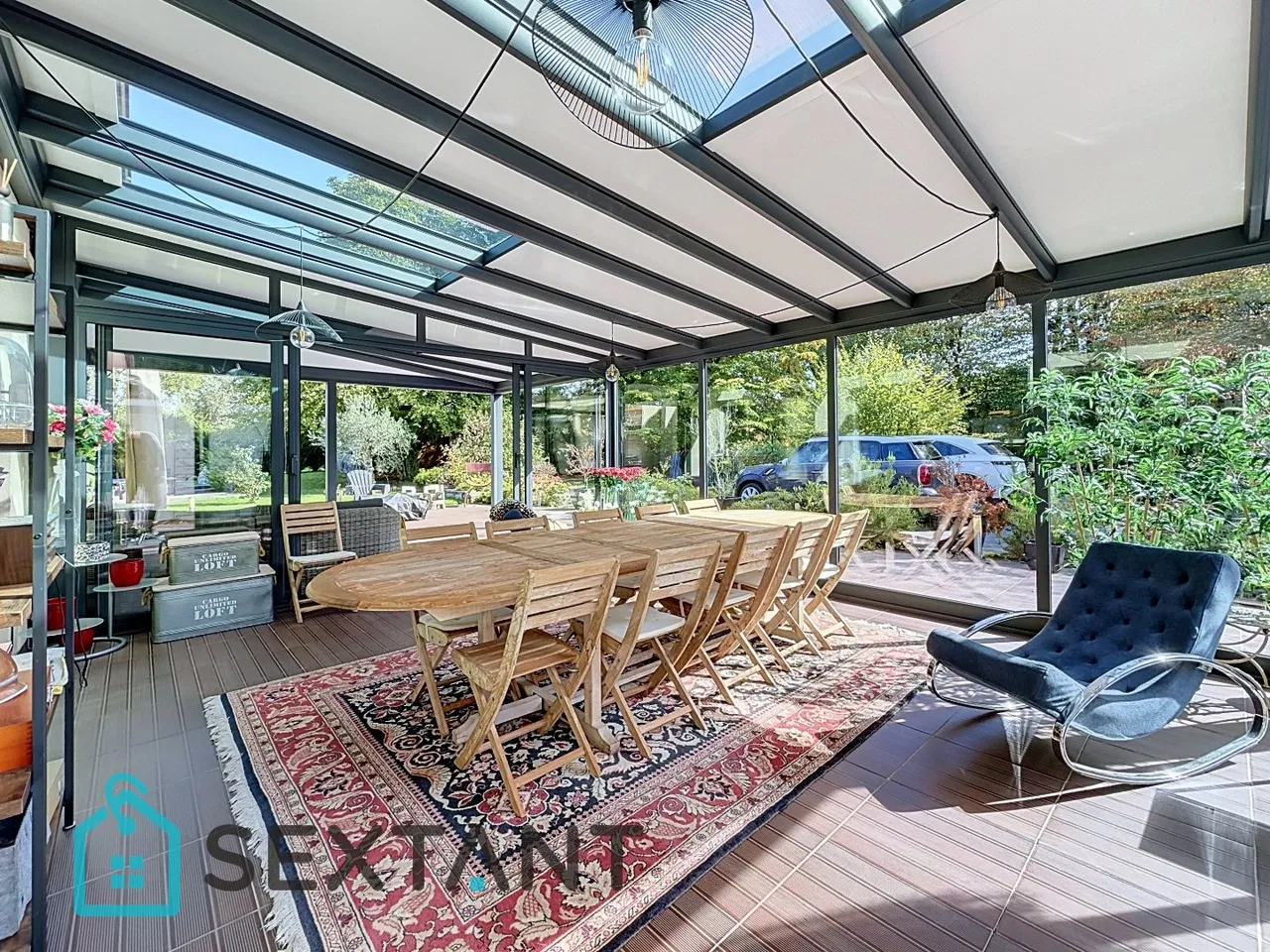
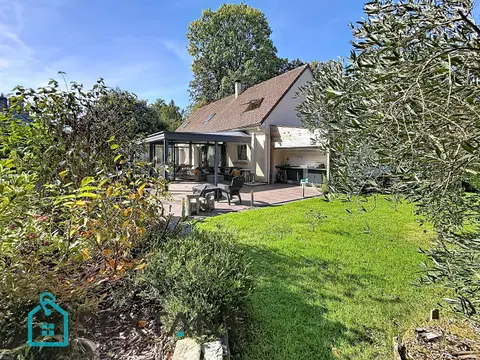
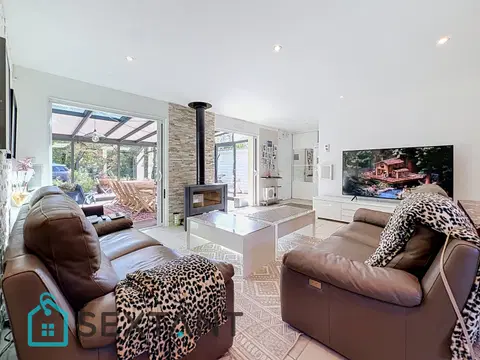
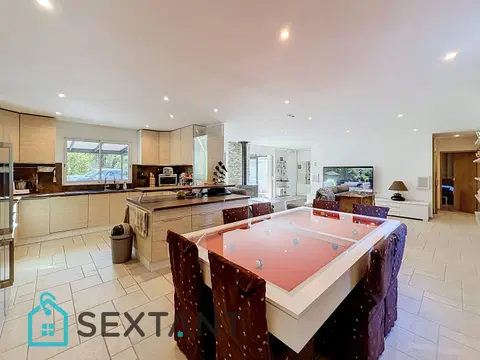
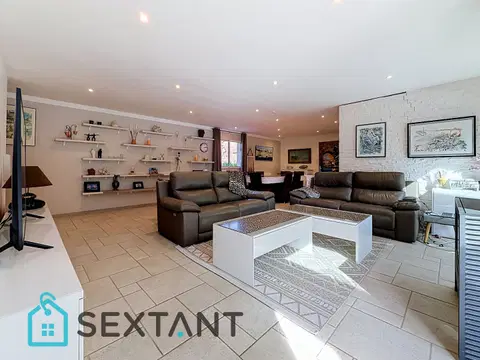
Modern house of 160 m2
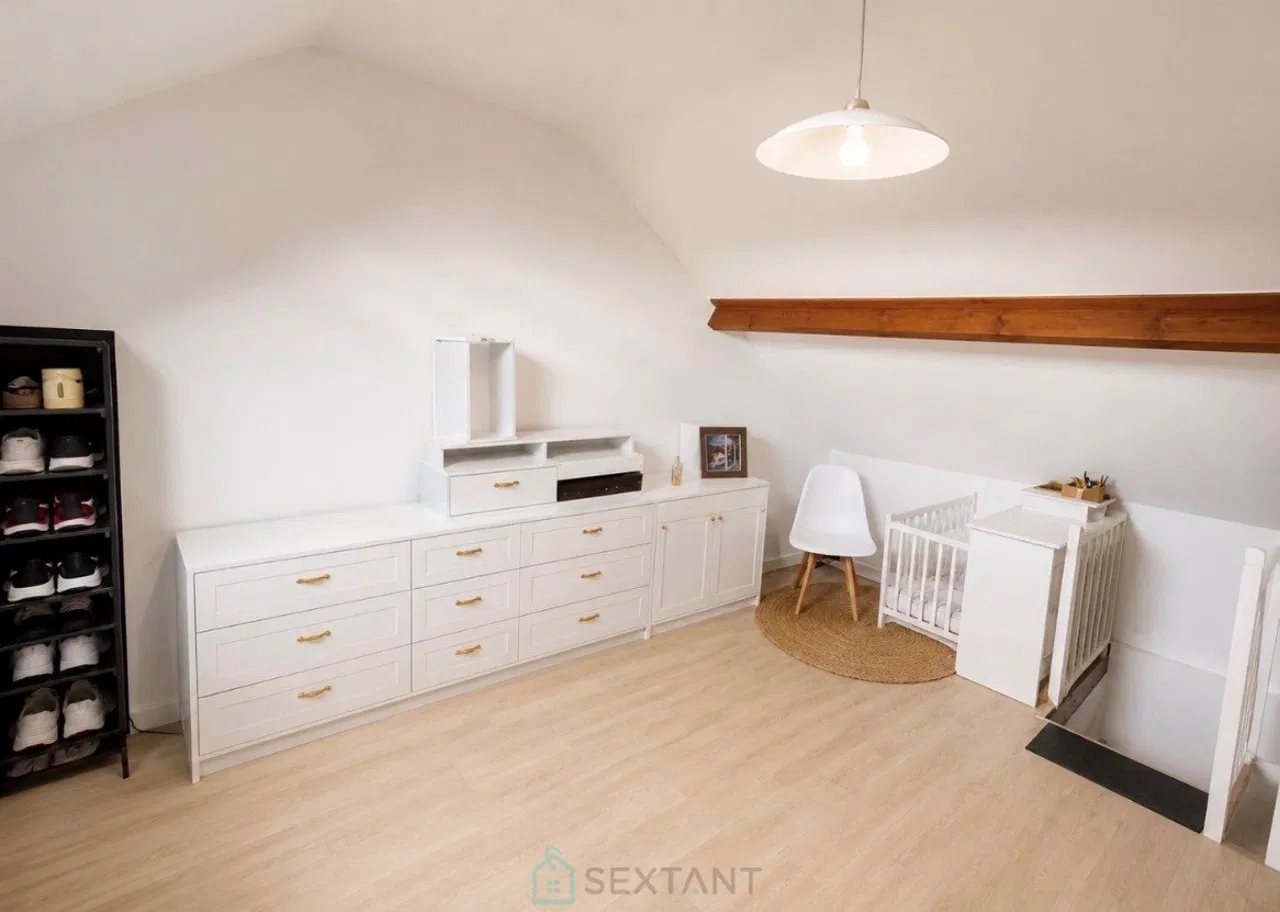
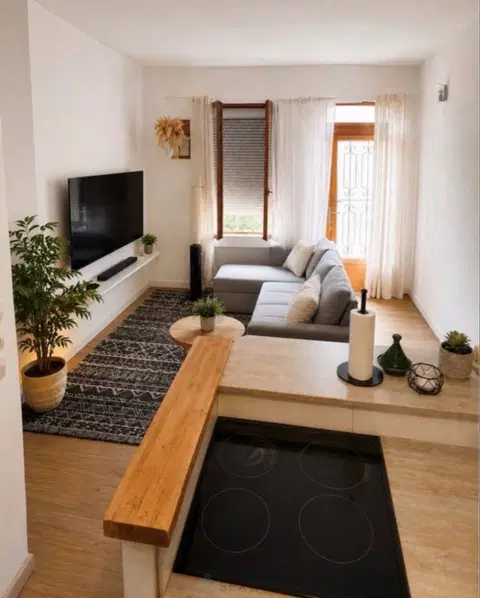
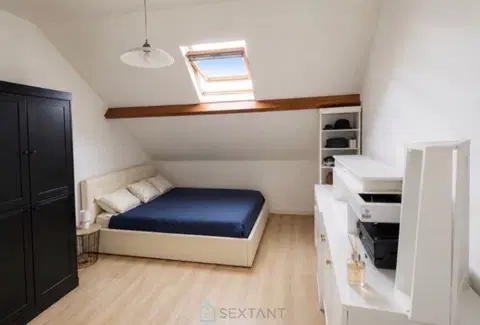
FOR SALE – Charming 2-bedroom brick house in Sotteville-lès-Rouen
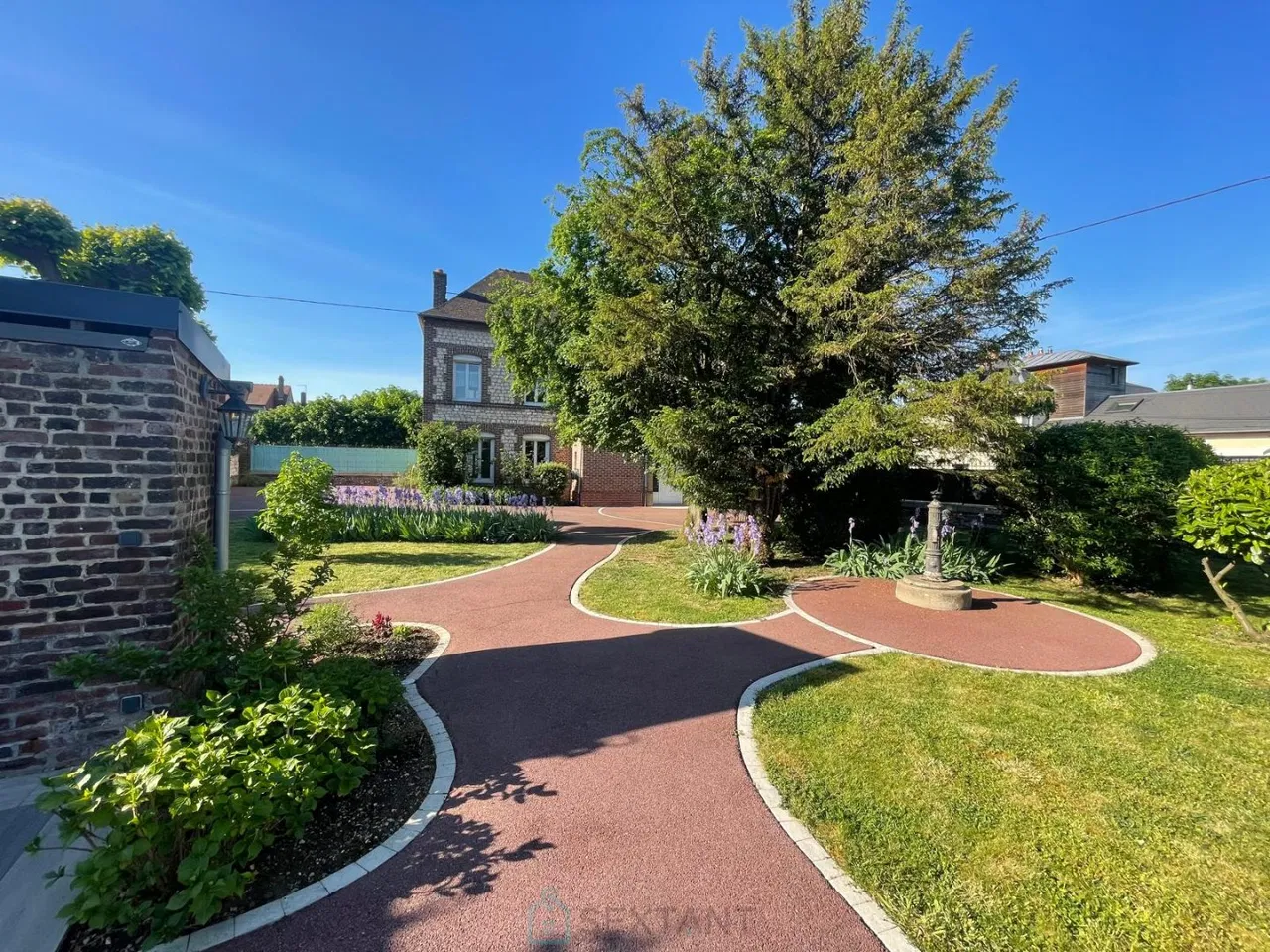
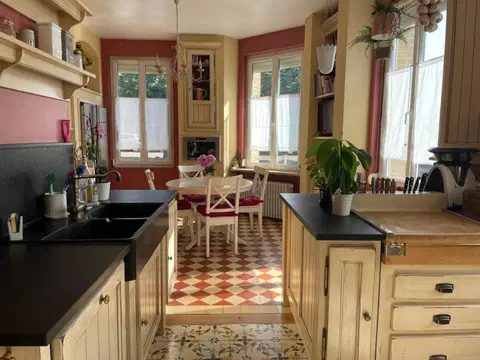
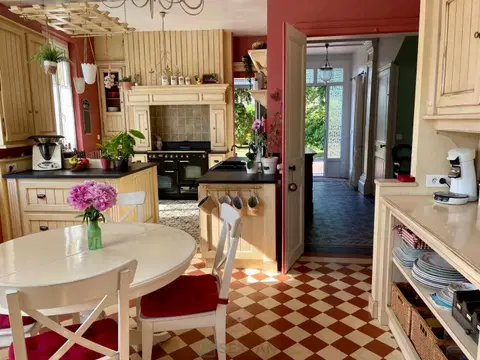
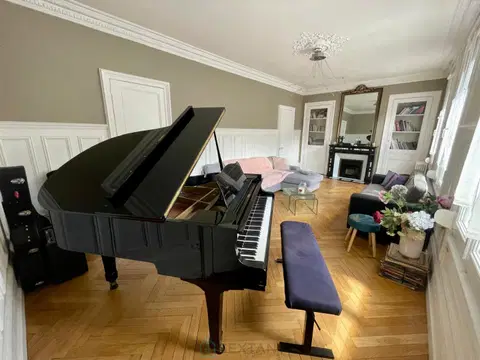
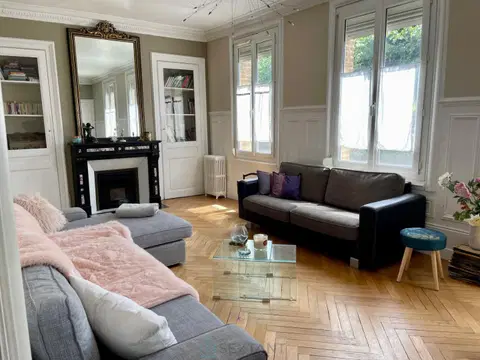
Magnificent mansion with outbuilding and high-end services
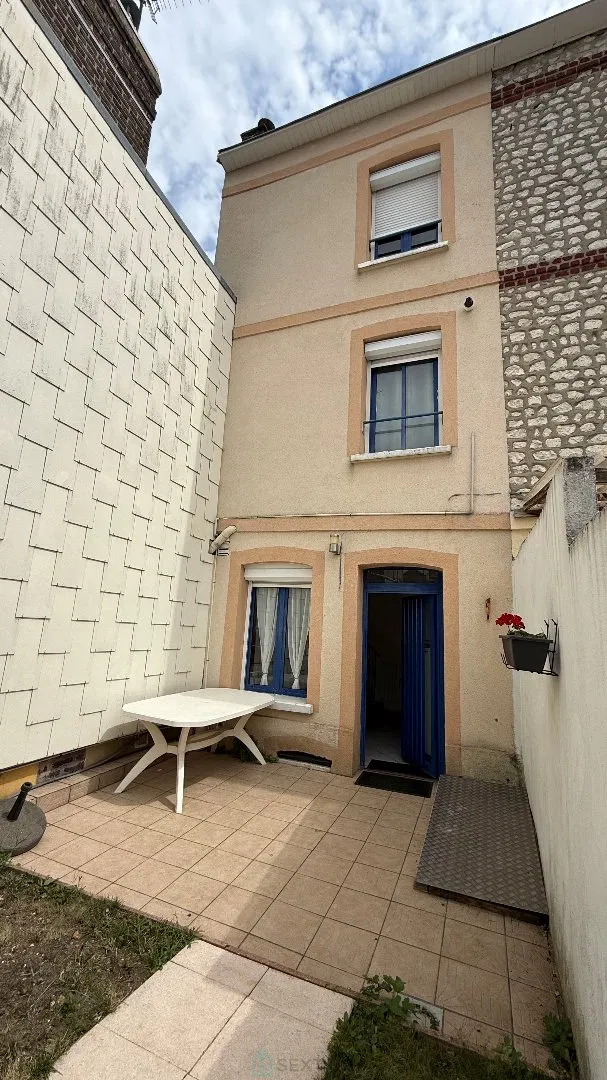
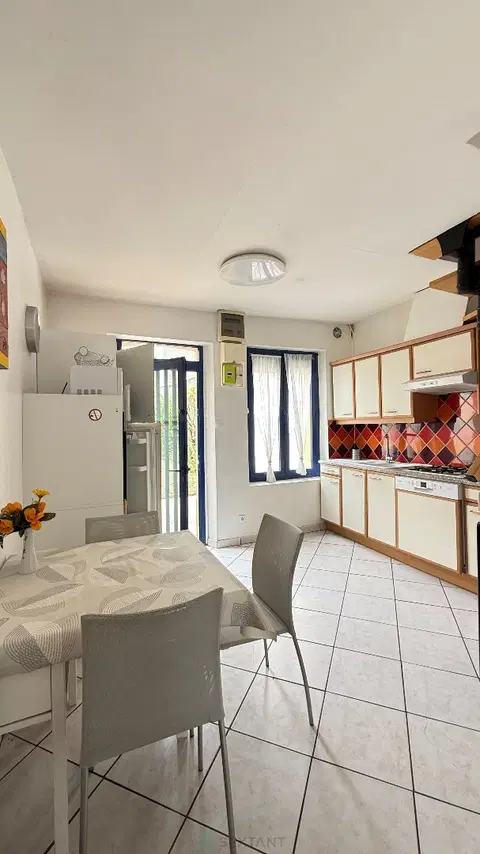
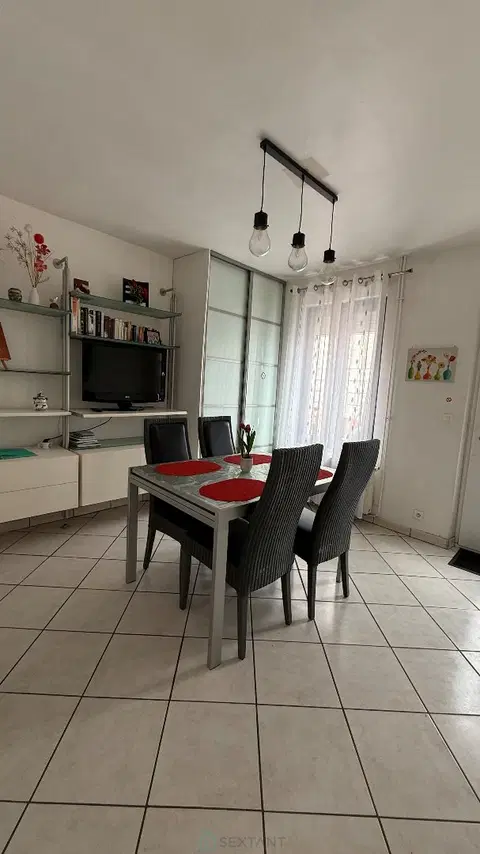
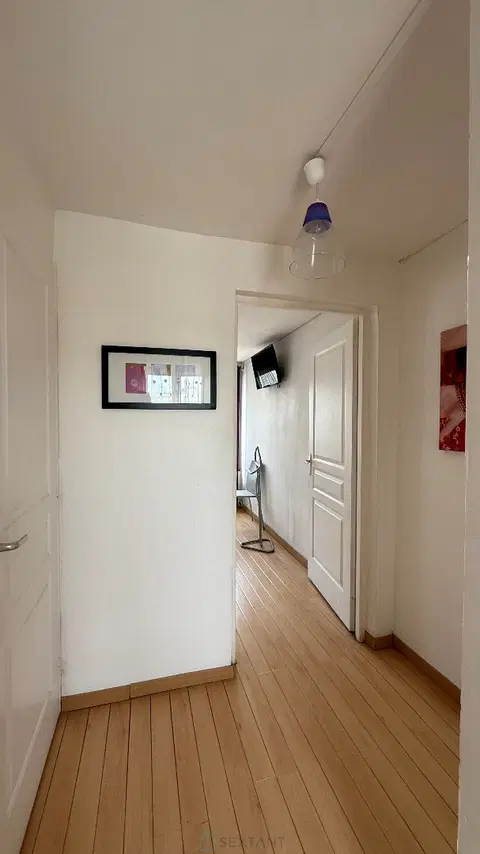
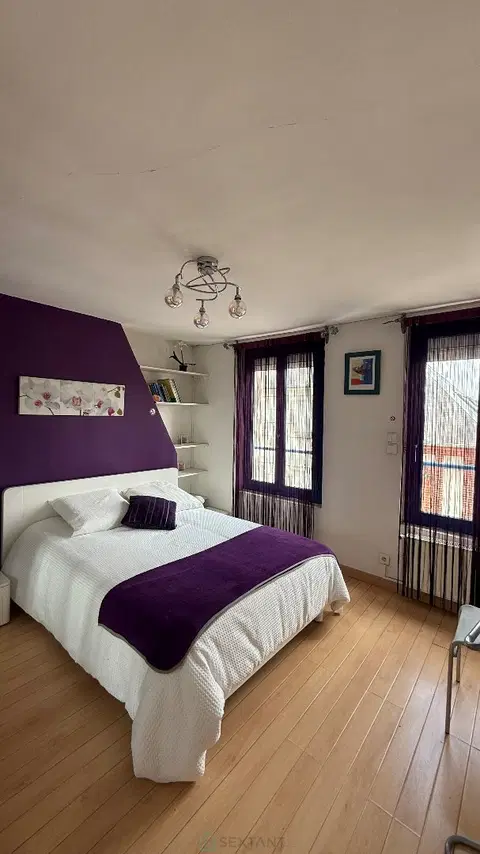
Charming townhouse
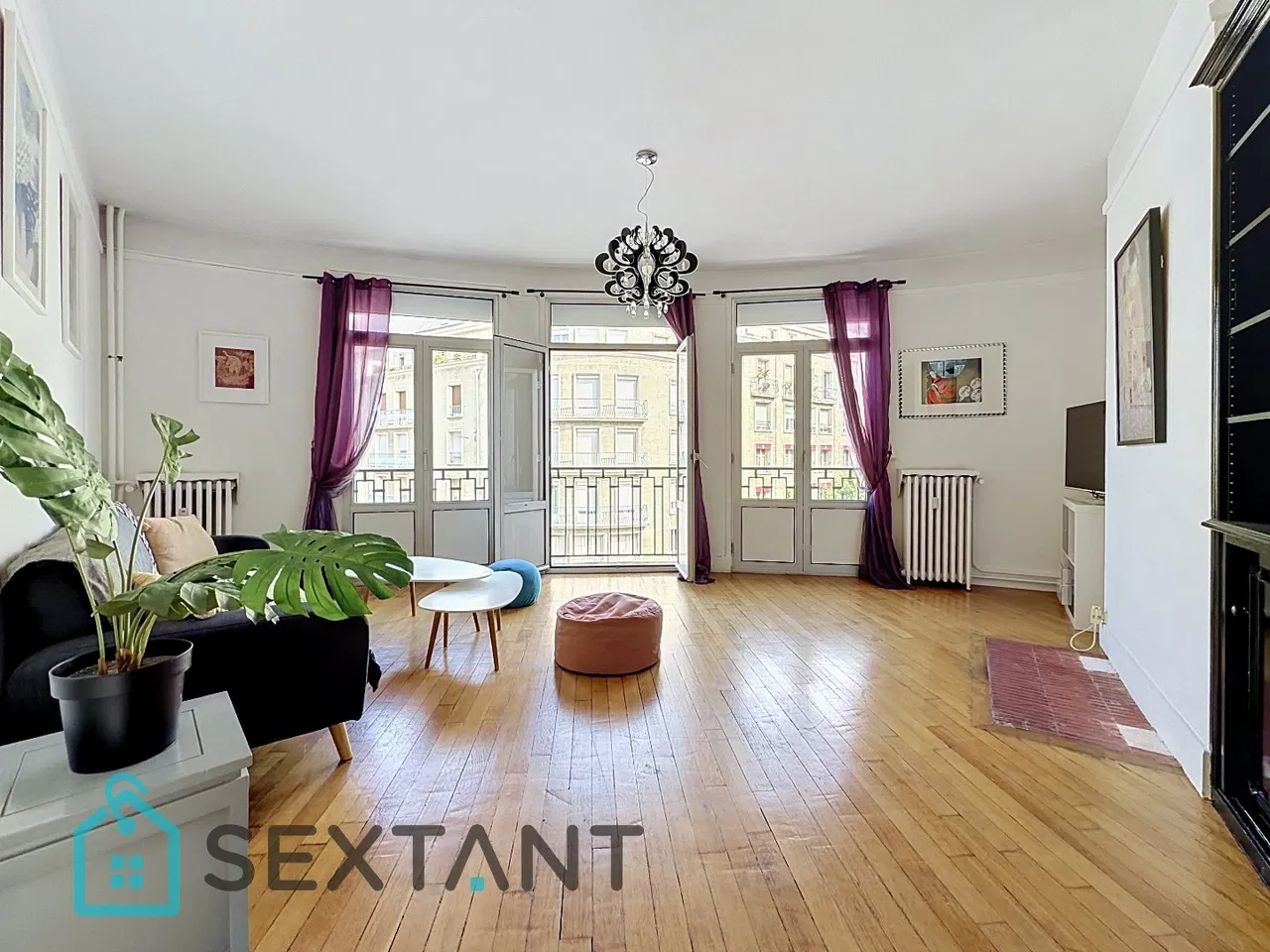
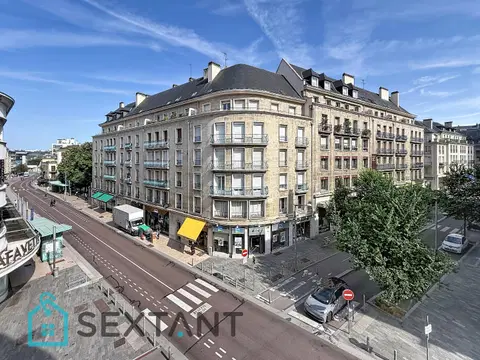
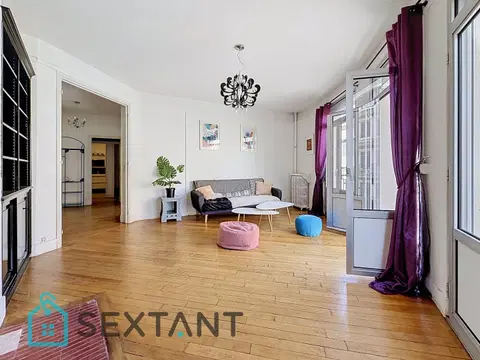
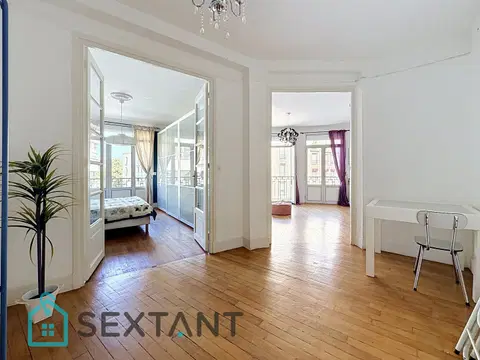
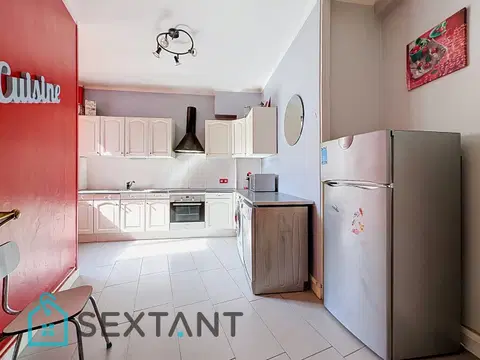
Apartment Rouen Cathédral 90 m2
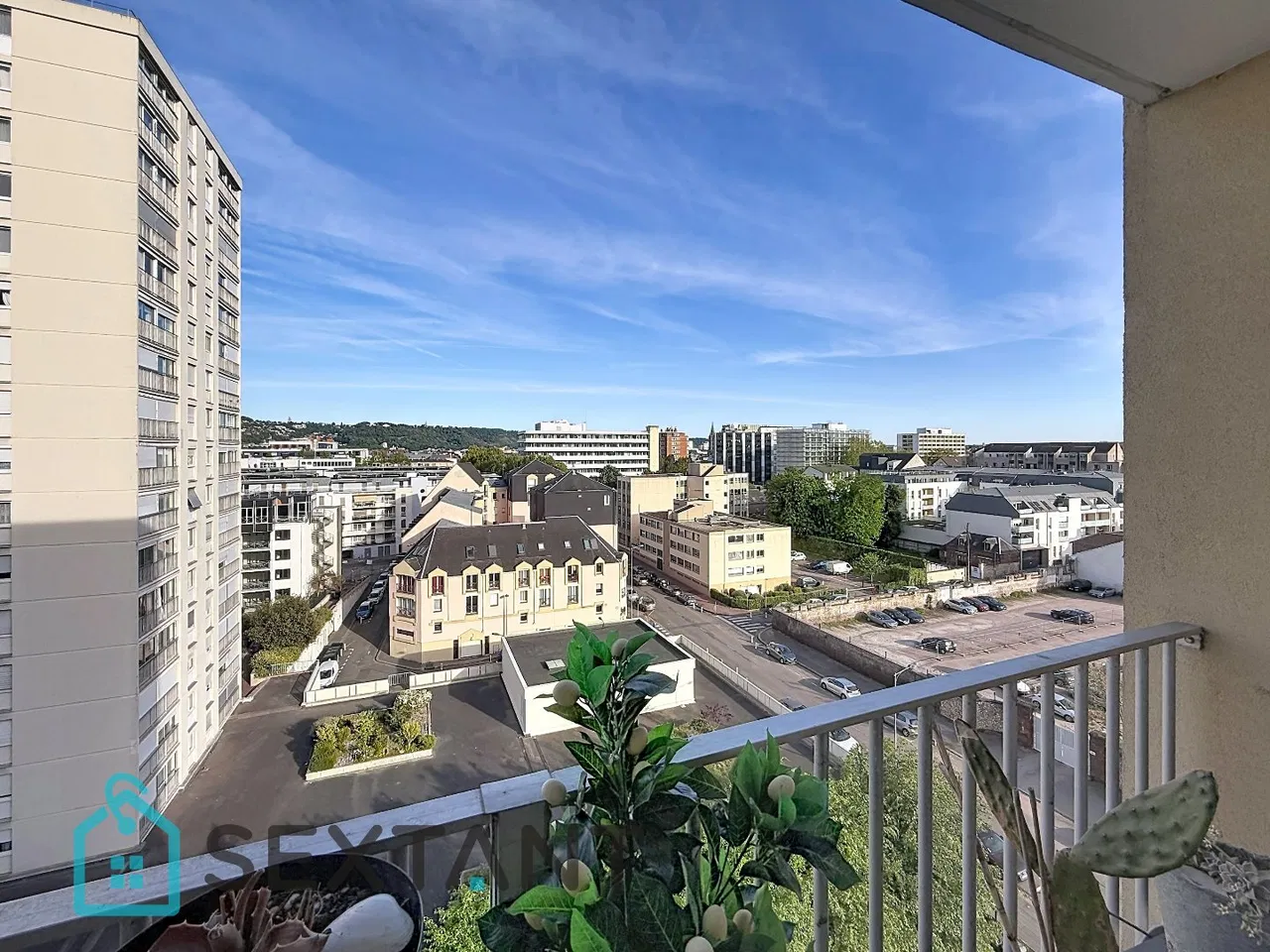
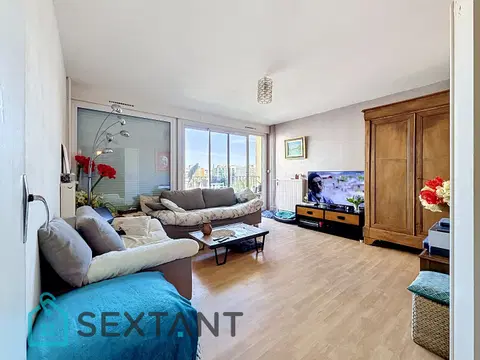
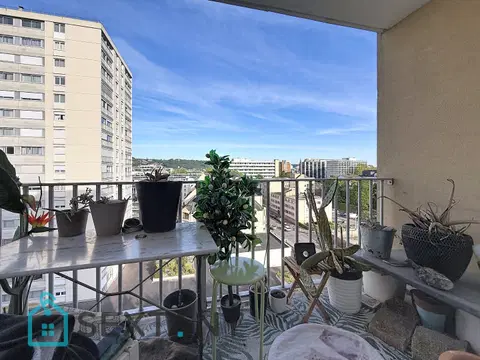
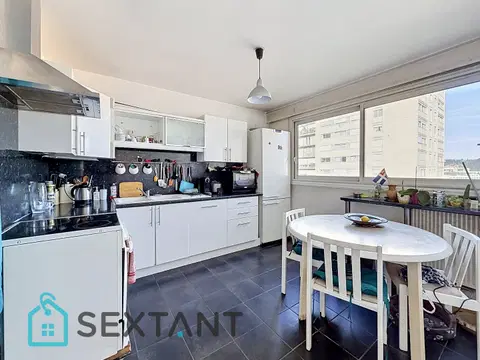
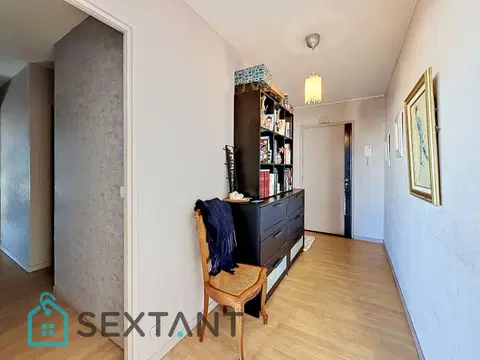
70 m2 apartment with 2 bedrooms, parking and cellar